
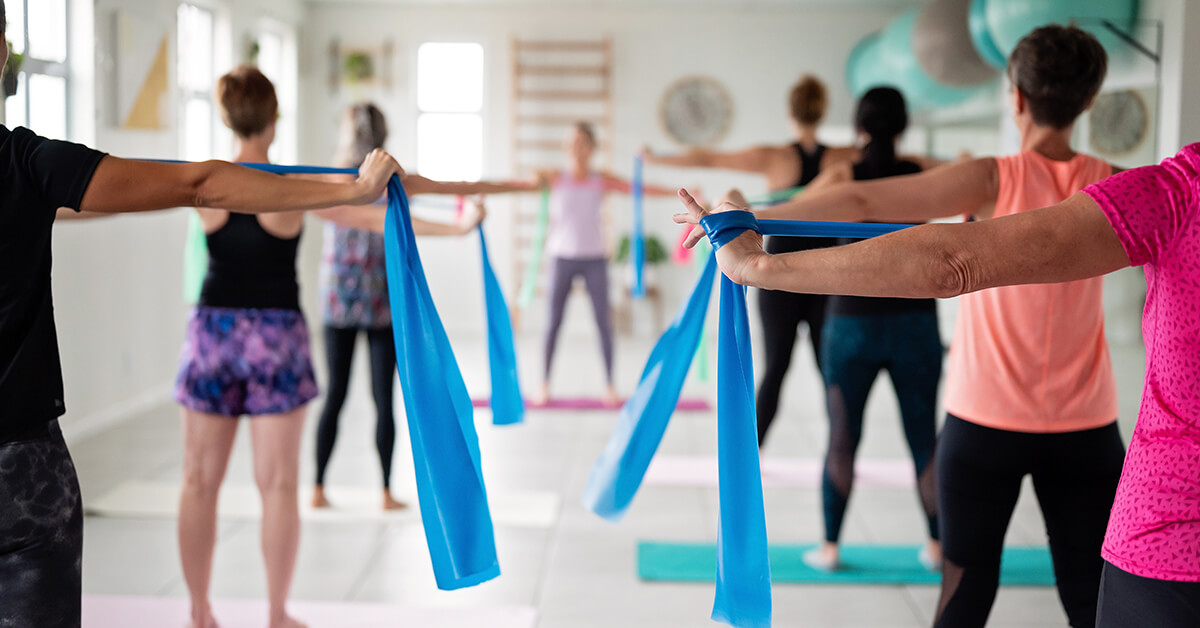
Strength training for women over 40 is one of the most important forms of exercise, yet it’s also one of the most overlooked. If you’ve noticed your usual workouts aren’t giving you the same results, you’re not imagining it.
This is one of the most common frustrations I hear from women in their 40s and 50s.
You’re exercising regularly. You’re trying to eat well. You’re putting in the effort. Yet you feel softer, weaker, more tired, and less resilient than you used to.
The good news is that your body is not broken. It is changing, and your training needs to change with it.
The Exercise That Used to Work May No Longer Be Enough
Many women have spent years being active through activities like:
- Running 5 km, 10 km, and half marathons
- Attending group fitness classes
- Walking regularly
- Doing Pilates
- Taking yoga classes
These are all valuable forms of exercise. They improve cardiovascular fitness, mobility, stress management, and general wellbeing.
What is often missing, however, is progressive strength training.
Without regular resistance training, particularly with loads that challenge your muscles and bones, it becomes more difficult to maintain the physical capacity that supports health and independence as you age.
Muscle Mass Matters More Than Most People Realise
From our 30s onward, we gradually lose muscle mass if we do not actively work to maintain it.
Muscle is important for:
- Strength and function
- Joint support
- Bone health
- Insulin sensitivity
- Blood sugar control
- Metabolic health
- Energy levels
- Injury prevention
The more muscle you have, the more resilient your body tends to be.
When muscle mass declines, everyday tasks begin to feel harder. Getting up from the floor, lifting groceries, climbing stairs, and carrying children or grandchildren can become noticeably more challenging.
Bone Health Is Closely Linked to Strength Training
Bone is living tissue that responds to mechanical load.
When you lift weights, perform impact-based activities, and challenge your muscles, your bones receive a signal to stay strong.
This becomes especially important during perimenopause and menopause, when hormonal changes can accelerate bone loss.
Maintaining muscle and bone is one of the most effective ways to protect long-term mobility and independence.
Hormonal Changes Influence How Your Body Responds
As oestrogen levels fluctuate and decline, women may notice:
- Reduced recovery capacity
- Changes in body composition
- Increased abdominal fat
- Lower energy levels
- Joint stiffness
- Sleep disturbances
- Reduced insulin sensitivity
These changes can make it feel like your previous exercise routine is no longer producing the same results.
This does not mean exercise is failing. It means your body requires a different stimulus and a more comprehensive approach.
Early Signs That Your Body Needs More Support
Many women notice:
- Feeling stiff when getting out of bed
- General weakness
- Lower back discomfort
- Reduced confidence in movement
- Increased fatigue
- A sense of being deconditioned
These symptoms are often subtle at first, but they are signals that strength, recovery, and overall resilience need more attention.
Recovery Is Just As Important As Training
Training does not happen in isolation.
Sleep, nutrition, stress, and emotional wellbeing all influence how your body responds to exercise.
If you are:
- Sleeping poorly
- Feeling overwhelmed
- Eating too little
- Constantly stressed
- Not recovering adequately
Your performance and results will suffer, regardless of how consistent you are.
This is one reason many high-performing women feel like they are working hard but not seeing progress.
Why Strength Training Is So Powerful
Progressive resistance training helps to:
- Preserve and build muscle mass
- Improve bone density
- Support healthy body composition
- Increase insulin sensitivity
- Reduce aches and pains
- Improve posture and function
- Boost confidence
It is one of the most effective tools available for healthy ageing.
Pilates and Cardio Still Matter
This is not about abandoning the activities you enjoy.
Pilates is excellent for body awareness, mobility, control, and core function.
Running and walking are fantastic for cardiovascular health.
Yoga supports flexibility and stress management.
The missing piece for many women is a structured strength program that progressively challenges the body.
The Bottom Line
If exercise feels like it has stopped working, the issue is rarely a lack of effort.
More often, your body is asking for a different approach.
Strength training, adequate recovery, sufficient protein, quality sleep, and stress management work together to help you feel stronger, leaner, and more capable.
Your body is adapting to a new phase of life. With the right strategy, this can be a time to build resilience, confidence, and long-term health.
Ready to Train Smarter?
At Movement Moments, we help women build strength, improve mobility, and feel confident in their bodies at every stage of life.
Whether you are new to strength training or looking for a more structured and evidence-based approach, we can help you create a program that supports your goals and your lifestyle.